Comparison of Artificial and Natural Biological Control Mechanisms to Suppress Mycotoxigenic Fungi
DOI:
https://doi.org/10.47419/bjbabs.v6i03.424Keywords:
Mycotoxins, Phytochemicals, FungiAbstract
Background: Quality and quantity of plant crops and feeds take a major concern by scientists for sustainable development. Mycotoxins are deleterious secondary metabolites synthesized by diverse species of filamentous fungi, predominantly from the genera Aspergillus, Fusarium, Penicillium, and Alternaria. The effects of mycotoxins on crops are complex, encompassing
yield reduction, quality degradation, economic losses, food safety and health hazards as well as sustainability and soil health concerns. The World Health Organization, along with the Food and Agriculture Organization, has instituted international safety standards via Codex to govern mycotoxin concentrations in food and feed by establishing maximum permissible limits: aflatoxin B₁: 5–10 µg/kg in food products; total aflatoxins: 15 µg/kg; ochratoxin A: 3–10 µg/kg in cereals and 0.5 µg/kg in infant foods; and fumonisins, with a tolerable daily intake for FB₁: 2 µg/kg body weight per day.
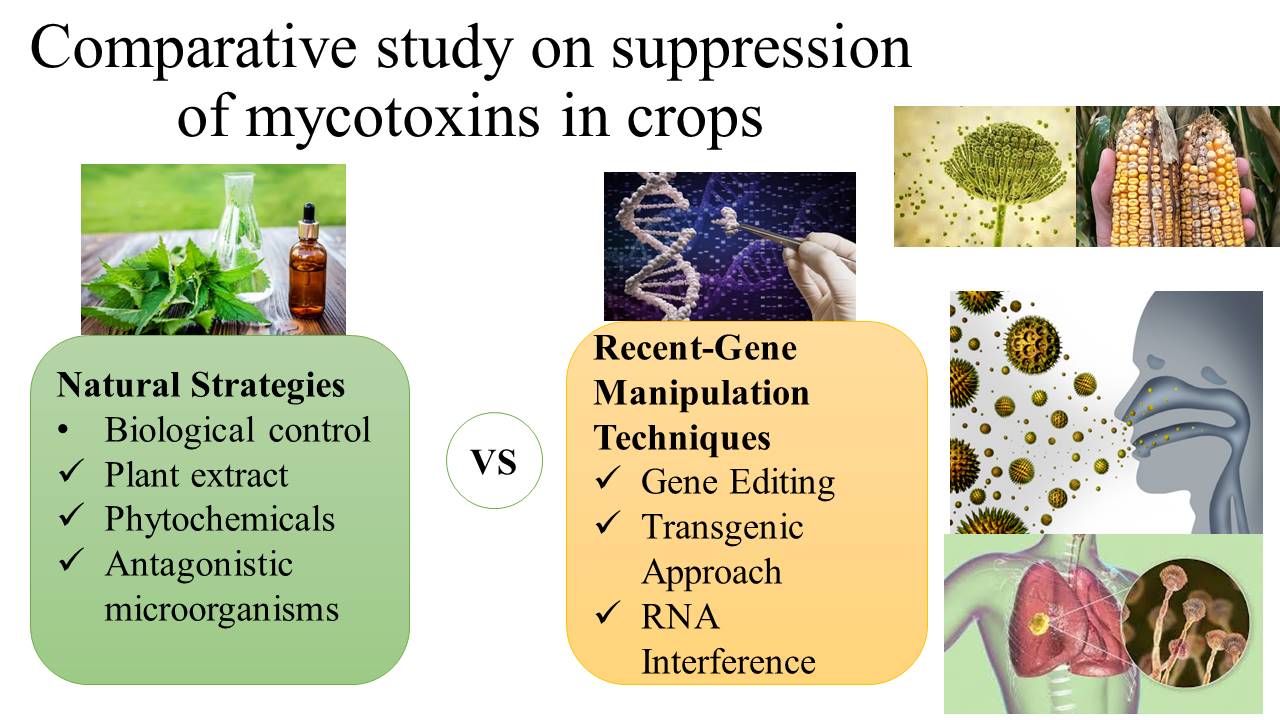
Objective: Multiple modern controlling strategies are developed to limit fungal contaminant growth securing both agricultural yield and quality of productions. Currently this reviews provide comparative study among different biocontrol mechanisms that down-regulate mycotoxins productivity using different traditional biological mechanisms such as microbial degradation, antagonisms, and phytochemicals with recently developed methods focused on manipulation at genomic level for suppressing fungal proliferation and toxins pollution.
Conclusion: Modern biotechnological techniques directly interferes to diminish mycotoxin biosynthesis pathways and triggers innate plants defense systems, which enhance with great specificity, and more efficient and persistent restrictions.
Downloads
Additional Files
Published
Issue
Section
Categories
License
Copyright (c) 2026 Safa Abdulateef

This work is licensed under a Creative Commons Attribution 4.0 International License.
The authors retain all proprietary rights, including copyright, such as patent and trademark rights and rights to any process or procedure described in the article.